
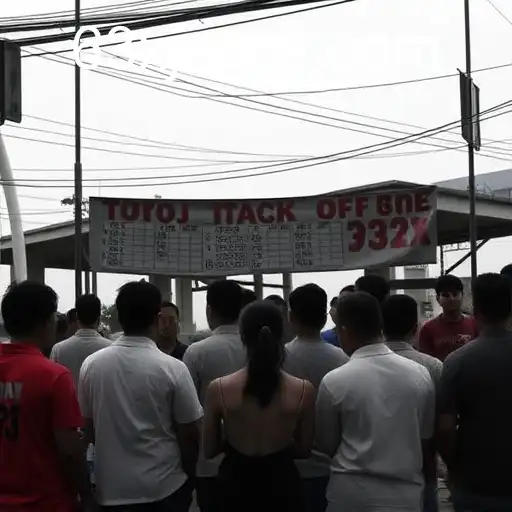
63X | Understanding Jueteng: A Closer Look at the Controversial Numbers Game
63X’s A comprehensive analysis of Jueteng, a popular yet controversial numbers game in the Philippines, and how the keyword '63X' plays into its narrative.
Understanding Jueteng: A Closer Look at the Controversial Numbers Game
Jueteng is a form of illegal numbers game that thrives in the Philippines, deeply embedded in the social, economic, and cultural fabric of the region. Despite its illegality, Jueteng continues to flourish and has proven resilient against various government crackdowns. With the introduction of the keyword "63X," a new dimension has been added to this already intricate underworld of betting and chance.
The Origins of Jueteng
Jueteng traces its roots to the Spanish colonial era, having been introduced by Chinese traders. The word "Jueteng" itself is derived from the Hokkien words "Hwe" and "Teng," which translate to flower and bet, respectively. Over time, it has evolved from a community pastime into an elaborate gambling network embedded in Philippine society.
How Jueteng Works
The mechanics of Jueteng are relatively simple yet enticing to players due to the low cost of entry and the potential for significant financial rewards. Participants choose a combination of two numbers ranging from 1 to 37. Bets are placed with a cobrador, a local betting collector, who submits the bets to the kubrador or the coordinator. Daily draws determine the winning combination, and payouts are made accordingly, with winners receiving multiples of their original stake.
The Role of the Keyword "63X"
Recently, the term "63X" has emerged within the Jueteng discourse, adding another layer to this multifaceted game. Though its significance varies, "63X" is often seen as a code or a strategy related to betting combinations. It serves as a form of betting tactic particularly popular among bettors who believe they can outsmart the seemingly random nature of the draw by relying on calculated predictions or superstitions.
The Socio-Economic Impact of Jueteng
Jueteng is not merely a game but a significant economic activity in many communities. It provides livelihoods to thousands involved in its operations, from collectors to coordinators and beyond. However, its illegality comes with societal costs. Revenues often support corrupt practices, with protection money frequently paid to local law enforcement or government officials to allow operations to continue unhindered.
The proceeds from Jueteng have been known to fund both small and large-scale projects within communities, occasionally playing a crucial role in local economies that lack other financial stimuli. This dual nature of economic reliance and corruption creates a complex dynamic where Jueteng is both vilified and defended by different societal factions.
Jueteng and Political Influence
Jueteng’s influence extends beyond economics into the realm of politics, where it funds political campaigns and extends the reach of local government officials. In some instances, political careers have been both built and destroyed over associations with Jueteng money. The cyclical nature of this relationship perpetuates a system where crime, politics, and economics are inextricably linked.
Attempts at Eradication
Throughout history, various administrations have launched campaigns to eradicate Jueteng, viewing it as a symbol of entrenched corruption and moral degradation. Many leaders have made Jueteng a target of anti-corruption efforts, employing police crackdowns, community education, and alternative gambling forms as tools for its elimination. Despite these efforts, the resilience of Jueteng suggests that more than enforcement is required to address its root causes.
Possible Solutions
The persistence of Jueteng in Filipino society indicates that resolution might lie in more systemic changes. Approaches integrating grassroots community development, economic support, and legal gambling alternatives have been suggested as means of curbing the cycle without dismantling livelihoods.
The Future of Jueteng and "63X"
The face of Jueteng may be changing, with modern technological advances and societal shifts slowly transforming traditional gambling practices. The future role of "63X" remains uncertain but suggests that new betting strategies or coded communications could continue to evolve within the Jueteng landscape. As these dynamics play out, the phenomenon of Jueteng is likely to remain a controversial yet integral part of the cultural and economic backdrop of the Philippines.
To understand the intricacies of how Jueteng operates is to delve into the heart of complex societal issues, both challenging and intriguing in their local and national ramifications.
